Winter-Ready: How to Prepare Your Bobcat Loader for the Snow Season
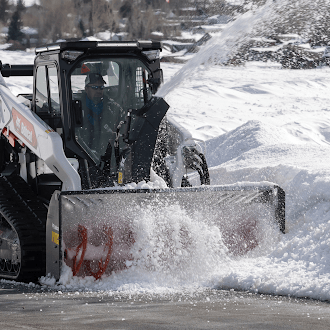
Bobcat loaders are an essential piece of gear when it comes to removing snow from sidewalks, parking lots, roads and almost anywhere else Canadian winters will hit. In this blog, we will explain how to prepare your Bobcat loader for the snow season so it can withstand the specific challenges that cold and snowy weather presents.
Bobcat Snow Removal Machines
You can turn a wide range of Bobcat machines into effective snow removal equipment with the right attachments, including:
- Skid-steer loaders
- Compact track loaders
- Toolcats
- Compact wheel loaders
- Small articulated loaders
- Tractors
- Mini track loaders
Understand Common Disruptions to Bobcat Snow Removal Machines
Winter maintenance is key to efficient Bobcat loader operation. By being prepared, you can proactively avoid issues related to dropping temperatures, which could potentially cause breakdowns, which can include:
- Engine oil and hydraulic fluid viscosity
- Battery startup
- Low tire pressure
- Failing attachment components (such as connecting hoses)
- Cab defrosting and heating functions
Review Your Manual for Efficient Operations
Following Bobcat’s maintenance recommendations is the easiest way to ensure reliable performance. The comprehensive checklist of maintenance tasks is designed to prolong life and improve winter efficiency. The manual is a quick refresher course with instructions on the following tasks:
- Fluid and filter inspection and replacement
- Battery inspection and charging recommendations
- Tire pressure check and recommended winter tire pressure levels
- Inspection and maintenance for heating and defrosting systems
- And more!
Check Fluids
Cold weather affects fluid viscosity, causing it to thicken, which can impact operation and potentially damage your loader’s internal components. You also need to improve coolant freezing points. Check the following fluids:
- Engine oil: A lower viscosity engine oil improves lubrication to help power colder weather ignition. Although we may sometimes experience warmer winters, switching to a cold-weather oil that protects at lower temperatures, such as 5W-40 synthetic oil, will enhance reliability.
- Coolant: Many operators overlook the fact that coolants have a freezing point. Choosing coolant for the lowest temperatures will avoid freezing that damages the engine. Be sure to top off the coolant before using your Bobcat loader.
- Hydraulic fluid: The presence of unwanted water in your hydraulic fluid can cause freezing in winter, potentially damaging the system. It is recommended to drain and replace the hydraulic fluid with a synthetic blend for safety.
- Diesel fuel: Cold weather thickens diesel fluid, causing “gelling.” Gelling can plug components and contribute to corrosion, disrupting efficient operation. Using 100% No. 2 grade diesel fuel in milder winters, when the temperature reaches 15°F or above, is acceptable. However, once temperatures drop to -5°F, you need 50% Grade 2-D fuel, and a cold snap below -5°F requires 100% Grade 1-D fuel.
Replace Oil Filters
Hydraulic oil filters can collect water and debris that can lead to maintenance problems. Replacing your filter with a Bobcat Genuine Oil Filter in the fall will prevent contaminants, such as gelling, debris, and water content, from entering your engine. Choose the correct filter for your loader model, as the wrong filter or generic brands can do more harm than good. A filter change will also prepare your Bobcat loader for those cold winter starts.
Inspect and Fill Tires
A tire inspection detects possible issues and should include the following:
- Tire pressure: Tire pressure drops and rubber stiffens in cold weather. Regular tire pressure checks will prevent sagging that impacts push and lift capabilities during snow removal. Fill your tires to the recommended tire pressure capacity each day, and listen for hissing which indicates leaks. Repair punctures right away to prevent slow leaks that impact your Bobcat loader’s performance.
- Over-the-Tire Tracks (OTT): OTTs improve traction and limit damage to pavement and grass during snow removal. They also improve flotation and help prevent punctures. Inspect your OTTs for damage, and reinstall them if they were removed for the summer.
- Rubber shoes: Inspect your OTTs’ rubber shoes for damage, as they may need to be replaced.
Charge Your Battery
Batteries can perform without signs of failing during warm weather. However, once temperatures drop, failing batteries will struggle when trying to power up. Even healthy batteries tend to take longer to power up in cold temperatures.
Load tests measure voltage drops to determine whether your Bobcat loader can handle the winter workload. A minimal drop indicates battery health, while notable drops mean the battery is not supplying enough power to your loader’s electrical systems. Check connections and wires for signs of damage and corrosion, as these issues can also drain power.
Inspecting Your Bobcat Snow Removal Attachments and Connectors
Snowblowers, spreaders, blades, and angle brooms are typical Bobcat snow removal attachments. Inspect your snow attachments and components, including cylinders, guards, cutting blades, hoses, and edges, for damage such as rust or loose fittings. The following hydraulic snow attachments also have fluids that likely need to be topped up:
- Snow blades and pushers with hydraulic cylinders
- Snow blower augers and discharge chutes
- Angle brooms
Moving attachment parts should also be lubricated according to your Bobcat loader’s user manual.
Reduce Fogging
High-performing snow removal equipment features efficient heating and defrosting systems. In the winter, the combination of cold external temperatures and the humid, warm air from your breath and the heating system can cause foggy windows.
Fogging is dangerous and slows down your work. Routine maintenance of your heating and defrosting systems is essential to both maintain comfortable temperatures and avoid issues that can lead to fogging. Regular care for cab comfort and performance includes the following:
- Check the seals on the cab door and windows, and repair damage to prevent heat leakage.
- Replace the windshield blade.
- Use antifreeze washer fluid.
- Clean the headlights to improve visibility during snowfalls.
- Apply wax to the lenses to reduce icy buildup.
Bobcat Snow Removal Equipment: Contact the Experts at Oaken Equipment
Hopefully, these tips will prepare your Bobcat loader for the winter weather and help you enjoy peak performance during the colder months. If you need advice on your Bobcat loader’s winter maintenance, Oaken Equipment is Canada’s largest Bobcat equipment dealer network. Our team is here to answer your questions and recommend Bobcat attachments to up your snow removal game this winter.
For more information about our Bobcat snow removal equipment or attachments, loaders, and equipment rentals in Ontario, call Oaken Equipment at 1-888-625-3611 or contact us here.
- www.bobcat.com/na/en/buying-resources/loaders/skid-steer-loader-winter-season-maintenance-tips-checklist.
- www.bobcat.com/na/en/buying-resources/loaders/how-to-prep-skid-steer-loaders-for-winter-work.
- www.bobcat.com/na/en/buying-resources/attachments/best-oil-filters-bobcat-equipment-machines.
- www.bobcatgdn.com/faqs/what-is-snow-removal-equipment-used-for#:~:text=Before%20Each%20Use:%20Inspect%20fluid,snow%20buildup%20from%20moving%20parts.
- shop.bobcat.com/ca/over-the-tire-rubber-pad-tracks-12-inch-7281280.
- shop.bobcat.com/ca/over-the-tire-rubber-pad-tracks-12-inch-7281280.



Leave A Comment