4 Excavator Attachments That Maximize ROI on Your Equipment Fleet
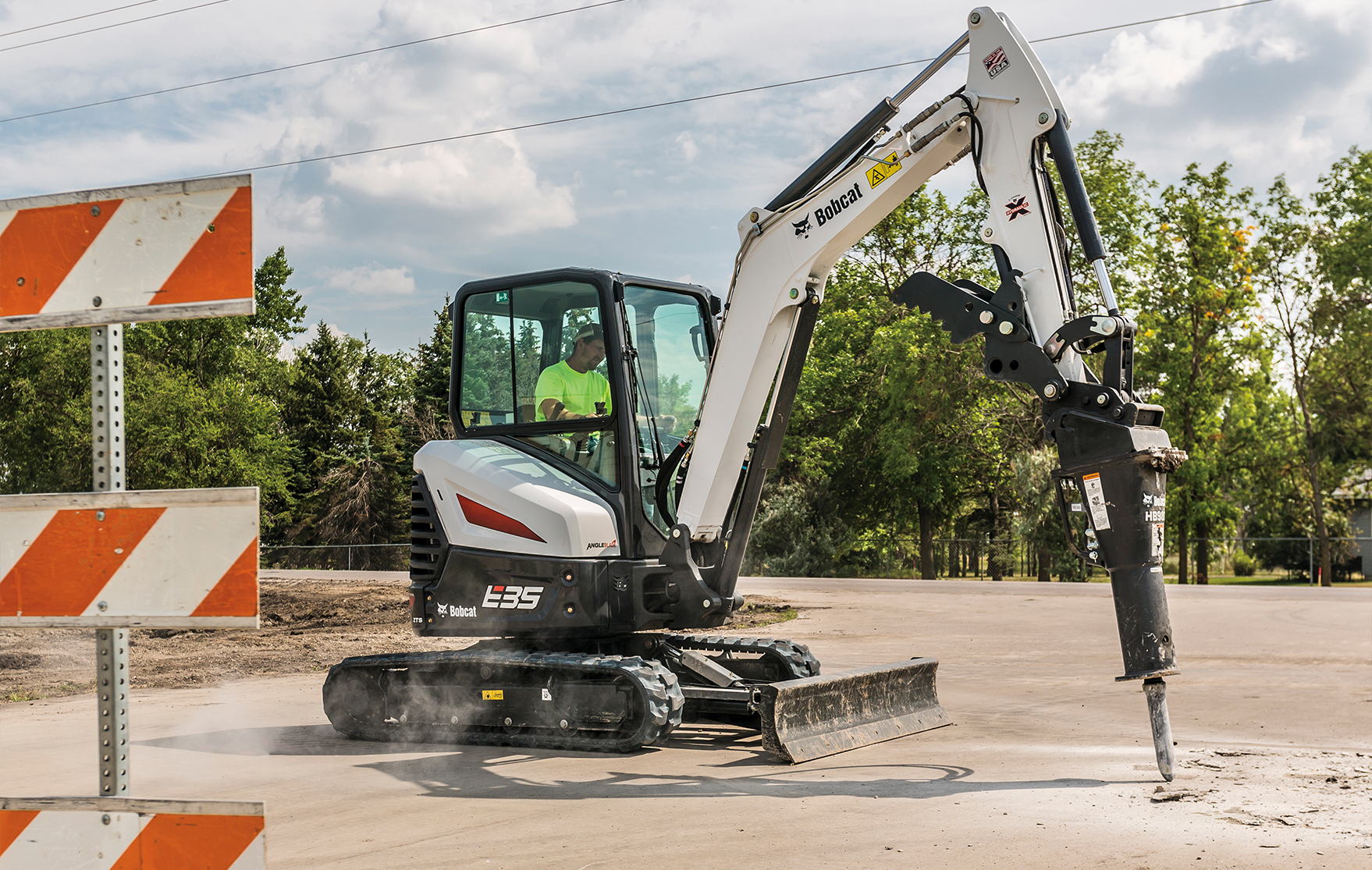
The excavator attachments in your fleet affect more than what a machine can do. They influence whether crews can complete common tasks with the equipment already on site, how often machines sit idle between jobs, and where extra labour or rentals may be needed. This guide looks at four attachments that can support stronger productivity and ROI when they suit the work your crews handle most often.
Top Excavator Attachments and When to Use Them
When you compare excavator attachments, ROI usually comes down to how often the tool gets used, how much downtime it prevents, and how much labour it saves. The best attachment is the one that fits your machine, matches the material conditions, and helps you move through high-value work more efficiently.
1. Hydraulic Breaker
A hydraulic breaker turns an excavator into a demolition and rock-breaking monster, making it a strong fit for jobs that would otherwise require separate equipment or slower manual removal. It is commonly used to break up concrete, asphalt, and rock during demolition, roadwork, site preparation, and utility work where hard material needs to be removed.
Before selecting a breaker, confirm that its operating weight and hydraulic requirements suit the excavator. A breaker that exceeds the machine’s hydraulic capacity may not perform as intended, while an undersized breaker can slow hard-material removal.
A breaker can be a practical investment when demolition or hard-material removal is a regular part of your work. Using the excavator already on site may reduce the need to bring in a separate breaking machine or arrange another removal method, helping crews keep the project moving.
2. Trenching Bucket
A trenching bucket is narrower than a standard digging bucket and built for more precise trench work. It is commonly used for utility, drainage, water, power, and telecommunications projects where crews need narrow trenches rather than a wider excavation.
When crews regularly need accurately sized trenches, digging to the required width from the start can reduce over-excavation and make backfill, pipe placement, and cleanup more efficient. Confirm the bucket class, mounting system, and compatibility for your excavator model before selecting one.
3. Quick Coupler
A quick coupler can reduce time spent changing compatible excavator attachments. On compatible Bobcat excavators, the Hydraulic X-Change system allows operators to switch non-hydraulic attachments from the cab using an in-cab switch.
That flexibility pays off on jobs where the machine needs to alternate between digging, grading, and material handling throughout the day. If crews also need to use a breaker, confirm its hydraulic connections and attachment requirements separately before planning faster changeovers.
4. Grading Bucket
A grading bucket is used for finishing work such as site preparation, grading, levelling, backfilling, landscaping, and ditch cleanup. For crews that handle this work regularly, a bucket matched to the excavator class and mounting system can allow the same machine to move from digging to final shaping and smoothing without bringing in additional equipment.
Confirm that the bucket class and mounting setup are compatible with your excavator before selecting one for regular site-finishing work.
Factors That Impact ROI When Choosing Excavator Attachments
The attachment itself is only part of the equation. ROI also depends on the kind of work you do most often, the materials you work in, and how frequently the attachment will be on the job. A breaker that sits unused for months will not deliver the same value as a bucket or coupler that supports daily production. Before making a decision, it helps to look at a few practical factors:
- How often the attachment will be used across your projects
- Whether it matches your excavator model and hydraulic setup
- The material conditions it needs to handle
- The maintenance and wear costs it adds over time
Frequent use alone does not guarantee a strong return. Confirm that the attachment is compatible with your excavator model, mounting system, and hydraulic requirements, then compare its purchase and maintenance costs with the work it may replace.
Consider whether it could reduce equipment rentals, avoid bringing in another machine, limit manual work, or shorten attachment changeovers on your typical projects.
Durability, wear resistance, and maintenance needs also affect operating costs over time. Oaken Equipment can help contractors compare Bobcat machines and compatible attachment options based on their material conditions, production demands, and typical job requirements.
How Excavator Attachments Improve Fleet Efficiency
Attachment choices affect how much work one excavator can cover across a project. A breaker may reduce the need for separate demolition equipment, while a quick coupler can help operators move between compatible tools without long changeovers.
When those tasks occur regularly, crews can keep the machine in use across more stages of the job instead of relying on additional equipment or rentals.
Get More Value From Excavator Attachments
Before adding an attachment, compare its compatibility, expected frequency of use, and ability to reduce equipment changes, rentals, or rework on your typical jobs. Oaken Equipment can help you compare Bobcat machines and compatible attachments for demolition, utility work, digging, grading, and material handling. Browse Oaken Equipment’s new Bobcat equipment and attachments to compare your options.
To discuss attachment options for your excavator and the work your crew handles most often, Oaken Equipment at 1-888-625-3611 or contact us here.
FAQs About Excavator Attachments
What are the most profitable excavator attachments?
No excavator attachment is the most profitable choice for every contractor. The strongest return usually comes from a tool used often enough to reduce rework, avoid extra equipment or rentals, or shorten changeovers. A breaker, trenching bucket, quick coupler, or grading bucket can support ROI when it fits the work your crews handle regularly.
How do I choose the right excavator attachment?
Start with the job requirements, the material conditions, and your excavator’s compatibility. Then look at how often the attachment will be used, whether it reduces rework or downtime, and how much productivity it adds over the long term.
Are quick couplers worth the investment?
They can be, especially on job sites where operators need to switch attachments throughout the day. Faster changeovers reduce downtime, improve flexibility, and help excavators stay productive instead of sitting idle during manual swaps.
How often should excavator attachments be maintained?
Maintenance intervals vary by attachment, manufacturer, and operating conditions. Follow the operation and maintenance manual for your specific excavator and attachment, and inspect wear parts, hydraulic connections, cutting edges, and mounting points as part of your regular equipment checks.



Leave A Comment