How to Optimize Skid-Steer Usage Across Multi-Phase Construction Projects
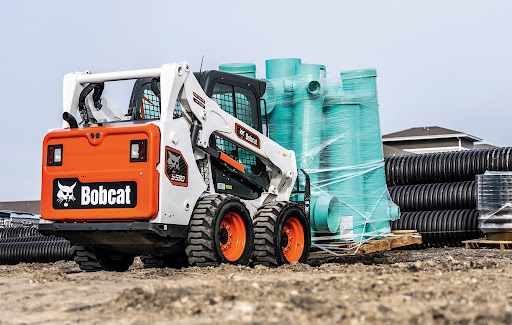
Skid-steer loaders can be versatile work site machines when they are paired with compatible attachments. Here’s how to optimize skid-steer usage across multi-phase construction projects to get more value from your equipment investment.
Determine the Tasks for Each Phase
Assessing the job site and familiarizing yourself with project specs allows you to determine the tasks you need to perform for each phase of the project. Skid-steer loaders can manage everything from light landscaping to digging and material offloading.
Understanding these tasks allows you to map out your skid-steer usage, whether it’s the initial land clearing, digging and grading, or material handling across the site. Specific tasks dictate what attachments you require to expand skid-steer usefulness throughout every project phase. The most critical site considerations include:
- General project requirements.
- Types of materials managed and estimated delivery times.
- Site conditions such as trees, extreme slopes, and rock/concrete formations.
- Task frequency from the first to the final phases.
- Specialized tasks.
Purchase Attachments With Long-Term Value
Once the task list is clear, the next decision is whether each attachment belongs in your fleet or makes more sense as a rental. Attachments used often usually justify the investment, while specialized tools are often more practical to rent until usage patterns make a purchase easier to defend.
Invest in the Right Skid-Steer Attachments
With your tasks outlined, you can match the list to the required attachments in order to maximize usage. Popular skid-steer attachments that improve productivity and efficiency include:
- Brush cutters: Clear land in the early phases of construction with cutter attachments to quickly prep the job site.
- Augers: The digging power of augers is made even more precise and effective with a variety of bit types and teeth to tackle different digging conditions.
- Breakers: Break through rock, concrete, and asphalt with this precision demolition tool.
- Sweepers: Renting sweeper attachments for the final stages of a project helps prepare the site for use with powerful poly bristles to clear away debris, mud, and caked-on messes from new roadways and walkways. Sweepers also make short work of spreading materials in the landscaping phase, such as sand, topsoil, or mulch.
- Combination buckets: Combo buckets are versatile multi-tasking attachments designed for loading, dumping, carrying, and grappling. When they are used often across project phases, they can help operators pivot from task to task, from dozing and levelling to digging and loading/dumping.
- Pallet forks: Reduce material-handling delays with pallet fork attachments that can offload and deliver building supplies and other palletized materials across large construction sites.
After the right attachments are selected, the next step is making sure crews can access and use them without slowing the job down.
Plan Skid-Steer Loader Tasks to Avoid Delays
A daily schedule helps keep the loader moving between tasks without creating avoidable downtime. When machinery and equipment are shared, poor scheduling and organization can lead to long wait times with hired operators sitting idle.
Assigning operators and scheduling attachment swap-outs (or skid-steer attachment rentals for specific tasks) keeps the workflow moving forward. Even the best plan breaks down quickly if operators aren’t trained to use the right attachment for the right task.
Invest in Proper Training
Providing hands-on training helps support safe, efficient operation and proper attachment use. Knowing how each attachment operates and the jobs it is designed to tackle also helps reduce improper use on tasks better handled by other equipment or tools. Understanding the scope of work for each attachment can also help prevent avoidable damage and downtime.
Enlist Remote Controls
Bobcat’s MaxControl Remote Operation lets operators control compatible Bobcat loaders and attachments from outside the cab using an iPhone or another iOS device. This system can help one operator handle some tasks that often need a second person, while also reducing repeated trips in and out of the cab.
Tasks such as post-hole digging, trailer loading, gate opening, and backfilling are good examples of where remote operation can help. Operators still need proper training and should follow the operating guidance for the machine and attachment in use.
Leverage Skid-Steer Tracking
Bobcat Machine IQ gives owners access to machine information through the Bobcat Owner Portal, including tools for maintenance planning, security, performance tracking, and machine location monitoring. It can also help crews keep a closer eye on allocation, misuse alerts, and overall fleet efficiency.
Upgraded Machine IQ packages can also send maintenance reminders, surface fault-code alerts with troubleshooting steps, and store fault-code history in the portal. That makes the system more useful for both maintenance planning and day-to-day fleet visibility.
Speed Up Attachment Changes With the Bob-Dock Attachment Mounting System
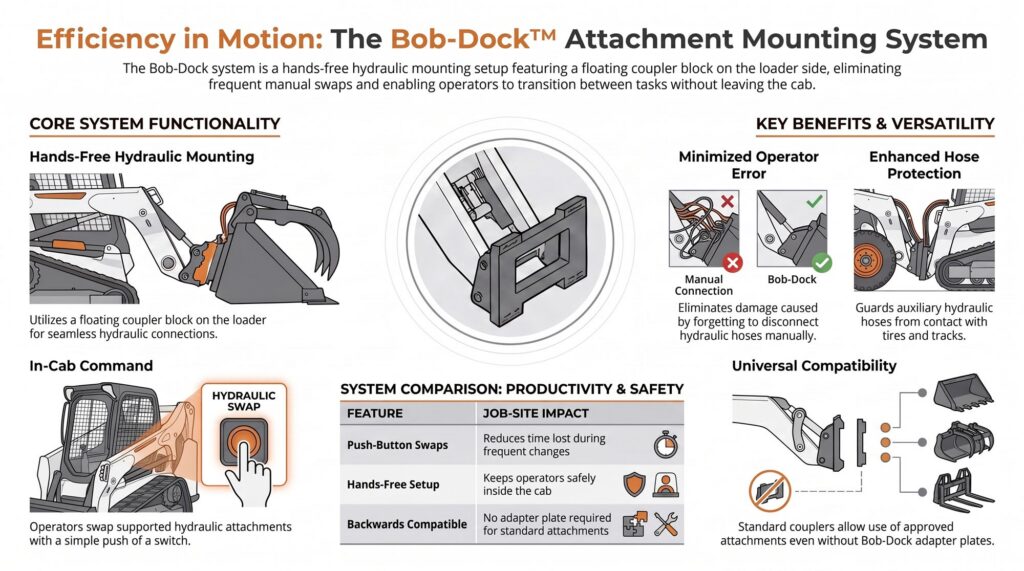
Tracking helps crews stay ahead of maintenance and allocation issues, but attachment changes still need to happen quickly on the ground. When hydraulic attachments need to be swapped often, the Bob-Dock Attachment Mounting System can help speed up those changes from inside the cab with the push of a switch.
The system uses a hands-free hydraulic attachment mounting setup with a floating coupler block on the loader side. For attachments without a Bob-Dock adapter plate, the standard couplers still allow operators to use approved Bobcat attachments. The main job-site benefits include:
- Reduced risk of damage due to operator error, such as failing to disconnect hydraulic hoses.
- Helps protect auxiliary hydraulic hoses from tire and track contact.
- Lets operators connect and disconnect supported hydraulic attachments without leaving the cab.
- Reduces time lost during frequent hydraulic attachment changes.
- Standard couplers still allow crews to use approved Bobcat attachments without a Bob-Dock adapter plate.
Put together, these features help reduce friction in the same day-to-day attachment changes that often slow multi-phase work.
Contact the Professionals at Oaken Equipment
The common thread through these decisions is matching the right machine, attachment setup, operator support, and technology to the way the job will actually unfold.
At Oaken Equipment, we can provide Bobcat skid-steer loader and attachment demos to help you find the right setup for your next job site. We also support contractors across Ontario through our branch network with sales, rentals, parts, and service in one place.
For more information about our Bobcat line, or to learn more about the variety of other machines available, call Oaken Equipment at 1-888-625-3611 or contact us here.
FAQs About Optimizing Skid-Steer Usage on Construction Sites
What skid-steer attachments are most useful for construction projects?
The most useful skid-steer attachments depend on the project phase. Brush cutters, augers, breakers, combination buckets, pallet forks, and sweepers are all common options for construction sites. These attachments can support land clearing, digging, demolition, grading, material handling, cleanup, and finishing work.
How do you choose the right skid-steer attachment for each phase of a project?
Start by listing the tasks required in each project phase, then match each task to the attachment that can complete it safely and efficiently. Site conditions, material types, task frequency, operator experience, and project timelines should all influence the attachment plan.
Is it better to rent or buy skid-steer attachments?
Attachments used often across multiple jobs may be worth purchasing, especially if they support core tasks like grading, loading, digging, or material handling. Specialized attachments that are only needed for one phase or one type of project may be more practical to rent.
How can contractors reduce skid-steer downtime on multi-phase projects?
Contractors can reduce downtime by planning daily loader tasks, scheduling attachment changes, training operators, and making sure the right attachments are available before each phase begins. Fleet tracking tools and maintenance alerts can also help prevent delays caused by service issues or equipment misuse.
Why is operator training important for skid-steer attachments?
Operator training helps crews use each attachment correctly, safely, and efficiently. It can also reduce equipment damage, improve job-site productivity, and help operators avoid using attachments for tasks they were not designed to handle.
How can skid-steer loaders improve productivity on large construction sites?
Skid-steer loaders improve productivity by handling many tasks with one machine and the right attachments. They can help crews move materials, clear areas, dig holes, break concrete, clean surfaces, and complete finishing tasks without relying on separate machines for every stage of the project.



Leave A Comment